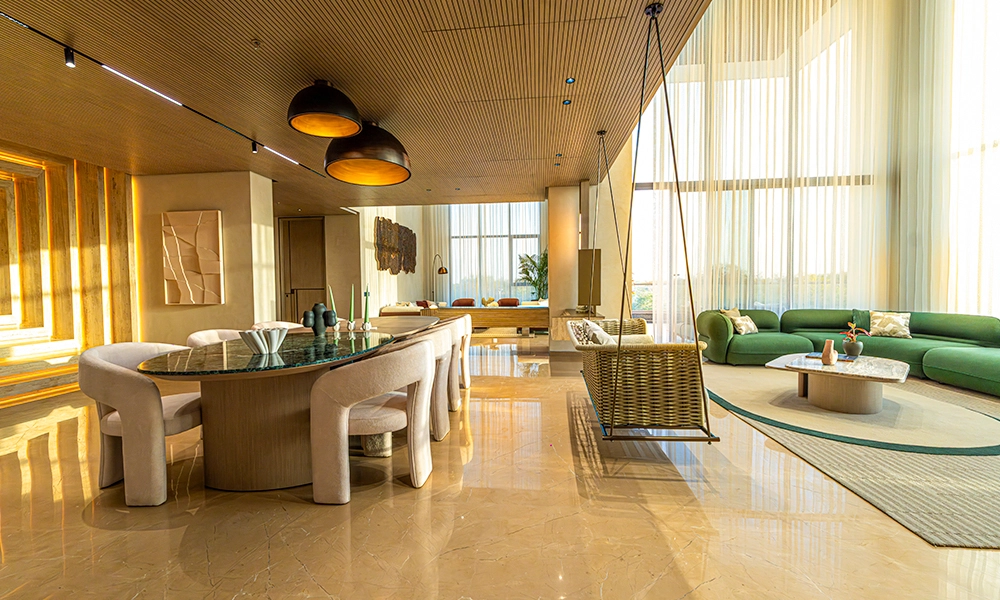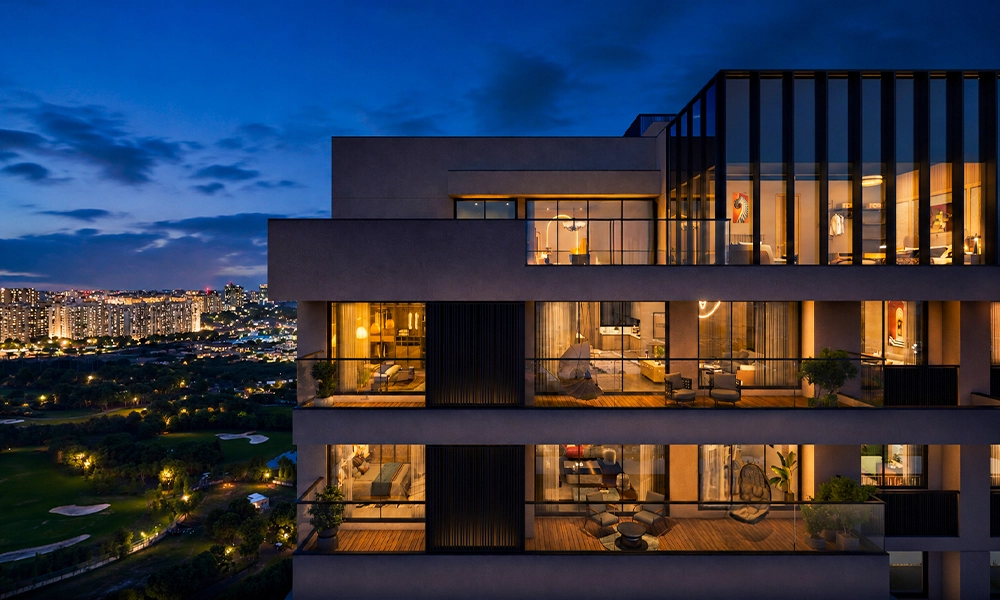

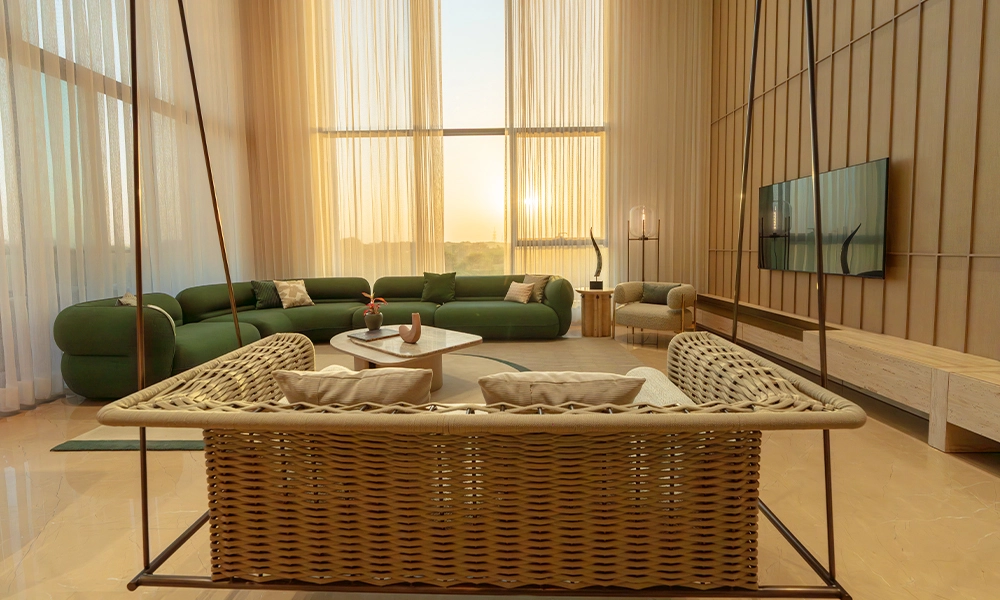
A new home rarely feels like yours on the first day. The walls may be freshly painted, the rooms may be ready, and the keys may finally be in your hand, but the feeling of home takes a little time. It comes slowly through the sofa you choose, the corner you sit in every evening, the light you like in the bedroom, the cup you leave on the kitchen counter, and the small things that begin to carry your everyday life.
For first-time homeowners, personalization does not need to begin with a full renovation. It can begin with small, thoughtful choices. The right colours, textures, furniture, lighting, and personal pieces can help you personalize your new home without rushing the process or making every room feel “done” too soon.
Start with how you want the home to feel
Before buying furniture or choosing decor, spend a little time inside the home. Notice where the morning light enters. See which wall naturally draws attention. Understand which room feels most comfortable and which one needs warmth.
Good home personalization tips usually begin with feeling, not shopping.
Ask yourself simple questions. Do you want the home to feel calm? Warm? Minimal? Social? Quiet? Elegant? Once the mood is clear, the rest becomes easier. A calm home may need softer tones, fewer objects, warm lighting, and natural textures. A more social home may need open seating, a larger dining area, and corners that invite conversation.
Let one room become home first
Many first-time homeowners try to finish every room together. That usually leads to quick choices and regret later. Start with one room you will use the most.
For most people, that is the living room or bedroom.
The living room sets the first emotional tone of the home. Begin with seating, lighting, one good rug, and a few personal pieces. Simple living room decor ideas like adding cushions, a textured throw, warm lamps, or one meaningful artwork can make the room feel lived in without making it look crowded.
For the bedroom, think softer. Good bedroom personalization ideas are usually about comfort: layered bedding, bedside lights, curtains that soften the morning, a small reading corner, or a wall colour that helps the room feel settled.
Keep the big pieces timeless
A sofa, dining table, bed, wardrobe, or console will stay with you for years. Choose these slowly. Let them be simple, comfortable, and well-made.
Trends can come through smaller things: cushions, wall art, mirrors, lamps, vases, side tables, or rugs. This way, your home can change with time without needing constant big spending.
This is also one of the most practical affordable home decor tips. Spend carefully on pieces that carry daily use. Play with smaller details when you want a change.
Add personal pieces before decorative ones
A home feels personal when it carries your story. Family photographs, travel objects, books, inherited pieces, artwork, handmade ceramics, a favourite chair, or even framed letters can do more than expensive decor.
These details help make your house feel like home because they belong to you. They carry memory, not just style.
When using personal pieces, give them breathing room. One framed photograph on a console can feel more graceful than a wall filled with too many frames. A few good books on a coffee table can feel more natural than a shelf styled only for display.
Use walls with care
Walls can change the mood of a home quickly. Paint, wallpaper, framed art, wall lights, textured panels, mirrors, or shelves can all work well, depending on the room.
For creative wall decor ideas, start with one strong wall instead of treating every wall. A bedroom headboard wall, a dining wall, or the wall behind the sofa can carry more character. A soft neutral paint, one large artwork, or a clean gallery wall can make the space feel finished without feeling heavy.
If you like minimalist home styling, keep the wall simple and let texture do the work. Limewash finishes, warm neutrals, wooden trims, or a single oversized artwork can bring depth without adding visual noise.
Bring in warmth through texture
A home can have beautiful furniture and still feel cold. Texture is what brings softness.
Use rugs, curtains, linen, cotton, cane, wood, stone, ceramics, woven baskets, and soft upholstery. A room with only glossy finishes can feel flat. A room with layers feels warmer and more lived in.
Current home interior trends 202G are also leaning towards natural materials, warm woods, layered surfaces, and interiors that feel more personal rather than overly perfect. Houzz’s 202G home design trends highlight green tones, handmade tiles, veined marble, and warm wood accents as part of a more layered, nature-connected direction. Sherwin-Williams also named Universal Khaki as its 202G Colour of the Year, describing a move towards simplicity, usability, nature-inspired colours, and finishes made to last.
Create corners, not just rooms
Every home needs small corners that make daily life better. A chair by the window.
A coffee corner in the kitchen.
A reading light beside the bed.
A balcony with two comfortable seats.
A small desk that does not feel like an afterthought.
These are simple new home customization ideas that do not need major work. They make the home feel considered because they are built around your habits.
This is also useful for space-saving home decor. A small home can still feel personal if every corner has a purpose. Use nesting tables, wall-mounted shelves, storage benches, foldable desks, and furniture with hidden storage. Function can still look beautiful when it is planned well.
Keep lighting soft and layered
Lighting decides how a home feels after sunset. A single bright ceiling light can make even a well-designed room feel harsh.
Use layers instead. Ceiling lights for general brightness. Floor lamps for warmth. Table lamps for mood. Wall lights for softness. Warm white bulbs usually work better for living rooms and bedrooms because they make the home feel calm.
For home ambiance improvement, lighting is one of the easiest places to start. A lamp in the right corner can change the way you use a room.
Choose colours you can live with
A colour may look good online and still feel wrong at home. Light changes everything. Test paint samples on the wall before deciding.
For first homes, warmer neutrals, muted greens, soft browns, dusty blues, and off-whites are easier to live with. They create a good base for elegant home interiors and allow furniture, art, and decor to stand out.
If you like colour, use it with intention. A deep green study wall, a soft terracotta corner, a blue console, or patterned cushions can bring personality without overwhelming the home.
Make smart upgrades feel invisible
Smart home personalization ideas do not need to make the home feel too technical. Start with simple things that improve daily comfort: smart lights, video doorbells, smart locks,
motion-sensor lights, automated curtains, or a smart thermostat if suitable for the climate and home system.
The best smart upgrades are the ones you stop noticing because they make life easier. Technology should support the home, not become the main character.
Let furniture follow your life
Many people place furniture against walls because that feels safe. A better layout comes from how you actually move through the room.
For modern furniture arrangement tips, keep walking paths clear, avoid blocking natural light, and create seating that supports conversation. In a living room, the sofa and chairs should relate to each other, not only to the television. In a bedroom, leave enough room around the bed so the space feels easy to use every day.
Functional home design ideas are often very simple. Place things where they naturally belong. Keep daily-use items close. Let storage reduce clutter. Let furniture make movement easier.
Personalize slowly
The best homes are not completed in one shopping trip. They grow with time.
You may discover after a few months that you need a bigger dining table, a softer rug, better curtains, more storage, or a different reading corner. That is normal. Living in the home teaches you what the home needs.
This is why DIY home customization works well when done slowly. Paint one wall. Change handles. Add shelves. Style one corner. Rearrange the furniture. Bring in plants. Frame something personal. Small changes can make a home feel more yours without making it feel over-designed.
A home should feel like you live there
The most useful home decor ideas for homeowners are not always the most expensive ones. They are the ones that make daily life feel better.
A home should have beauty, but it should also have comfort. It should look good, but it should still let you put your feet up. It should feel designed, but not staged. It should carry your taste, your habits, your memories, and your pace.
To customize your home well, start with what matters to you. The rest can follow slowly. A first home is not just a place you decorate. It is a place that slowly learns you back.